Why AI Model Prices Keep Changing (And How to Plan Around It)
Gemini's top model doubles in price Dec 1, and Anthropic launched a flagship 20% cheaper. What November 2026's AI price shifts mean if you build with AI.
By Mohsin Nawaz5 min read
- AI Engineering
- AI for Small Business
- LLM Integration
- AI Pricing
On this page
- The Numbers This Week
- Why Prices Keep Moving
- What This Means for Your Budget
- The Fix: Keep Your AI Layer Swappable
- A Note on Earlier Cost Estimates
- FAQ
- Does this affect the ChatGPT or Claude subscription I pay for personally, or only developer API pricing?
- Should I switch models right now because of this?
- Is cheaper always the better choice?
- How often should I actually re-check pricing?
- Takeaway
Google made its strongest AI model available to everyone on November 10, 2026, at an introductory price of $2 per million input tokens and $10 per million output tokens. That price doubles on December 1. A day earlier, on November 9, Anthropic launched its new flagship model at 20 percent below the one it replaces, nine days before its IPO was scheduled to price on November 18. Neither event is really about AI getting cheaper. It's about AI pricing becoming unstable in both directions, and if you've built, or are planning to build, any feature that calls one of these models, that instability is something to plan for, not something to wait out.
The Numbers This Week
| Model | Provider | Price now (per million tokens, input/output) | Price after | What changed |
|---|---|---|---|---|
| Gemini 4 Carbon | $2 / $10 | $4 / $20 | Introductory rate ends Nov 30; new price from Dec 1, 2026 | |
| Gemini 4 Argon | $2 / $10 | $4 / $20 | Same Dec 1, 2026 increase | |
| Gemini 3.8 Flash | $0.75 / $3.75 | $1.50 / $7.50 | Increase from Jan 1, 2027 | |
| Claude Fable 5.2 | Anthropic | $8 / $40 | no change scheduled | Launched Nov 9, 2026, 20% below Fable 5.1 ($10 / $50) |
| Claude Haiku 5.5 | Anthropic | $0.10 / $0.50 (prompts up to 100k tokens) | no change scheduled | About a tenth of Haiku 4.5's $1 / $5 |
| Claude Sonnet 5 | Anthropic | $2 / $10 | no change scheduled | Introductory price made standard; a planned Sept 1, 2026 rise to $3 / $15 was cancelled |
Prices from Google's Gemini API pricing page and Anthropic's API pricing page, checked November 27, 2026. Haiku 5.5 costs $0.50 / $2.50 for prompts over 100k tokens. Claude Sonnet 5.5, the current Sonnet, launched at the same $2 / $10.
Why Prices Keep Moving
Three things are driving this. First, Google and Anthropic are competing directly for the same developers, and price is one of the few levers that moves adoption fast. Second, timing: Anthropic released a cheaper flagship nine days before its IPO was scheduled to price, and Google made its strongest model generally available in that same window. A 200-task benchmark called Multimodal Knowledge Agent, built by Google DeepMind with Artificial Analysis and announced November 10, 2026, found Anthropic's Fable 5.2 and Google's Carbon scoring about two points apart, 56.56 percent versus 54.34 percent, close enough that the published report called the gap statistically indistinguishable. The real difference was cost: Artificial Analysis found Fable 5.2 averaged about $31.97 per task on that benchmark, versus about $6.29 for Carbon (The Inference). Third, some of today's pricing simply isn't permanent. Google priced Carbon at an introductory rate through November 30 before moving to its standard rate, which is exactly why that price doubles on December 1.
What This Means for Your Budget
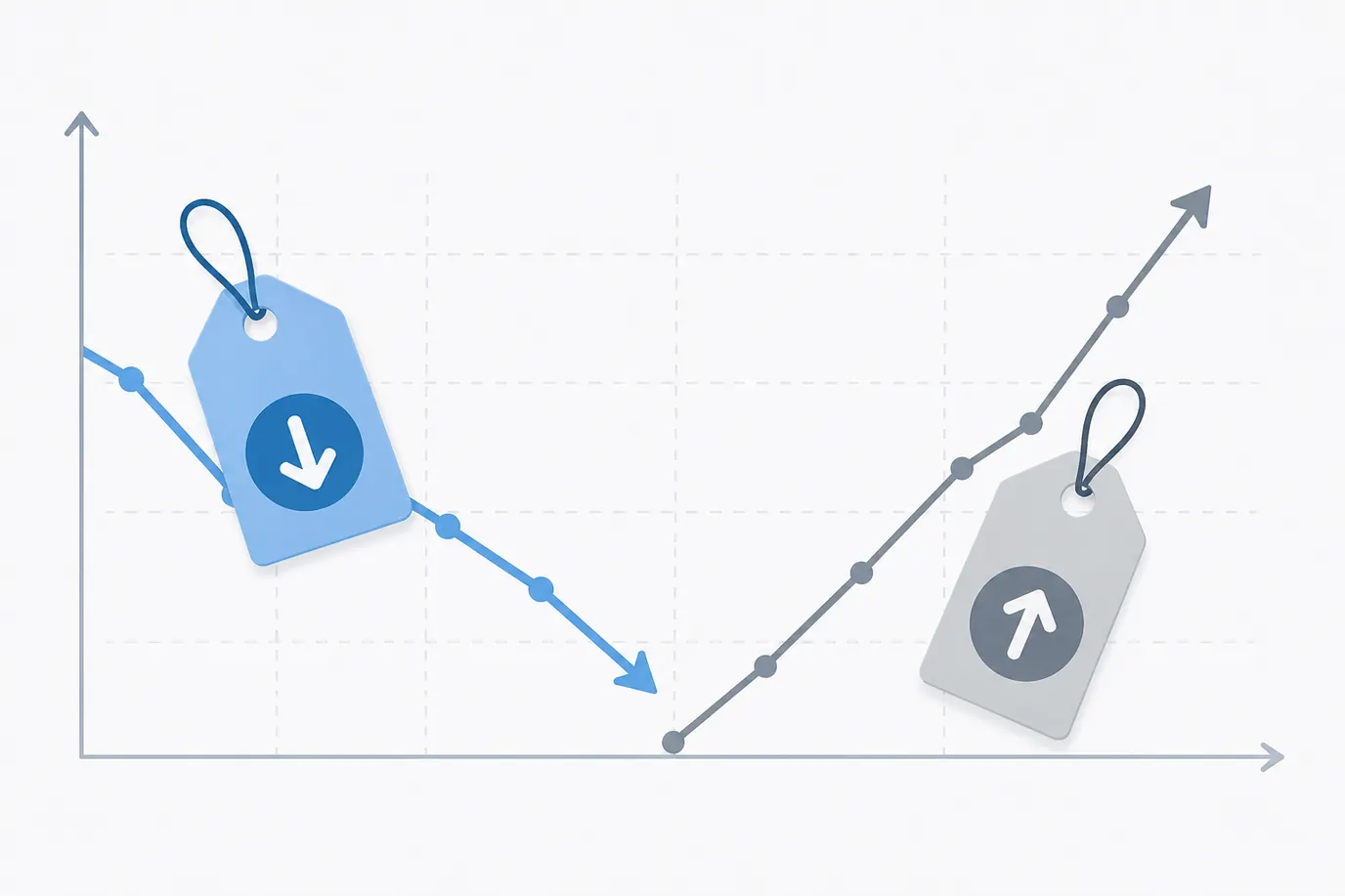
If you priced out an AI feature a few months ago using whatever model was cheapest at the time, that number is probably already wrong, in either direction. A model that was $0.75 per million tokens in November can be $1.50 in January. A model you ruled out as too expensive in September might be the cheapest capable option by December.
The practical fix isn't picking the "right" model once. It's building your cost estimate with room to be wrong (assume the number could move by half within a quarter) and actually re-checking pricing on a schedule, monthly if the feature is cost-sensitive, instead of setting it once at launch and forgetting about it.
The Fix: Keep Your AI Layer Swappable
The deeper fix is architectural, and it's the one thing worth doing regardless of what prices do next. I'm running AI in almost every product I'm currently building or maintaining, a chatbot tool, a resume-screening agent, a couple of others, and the one habit that's kept me from getting stuck is keeping the part of the code that calls the AI model separate from the rest of the application. In practice, that means a feature asks one internal function for an answer, and that function decides which provider and model actually handles the request. Swapping providers becomes a configuration change, not a rewrite.
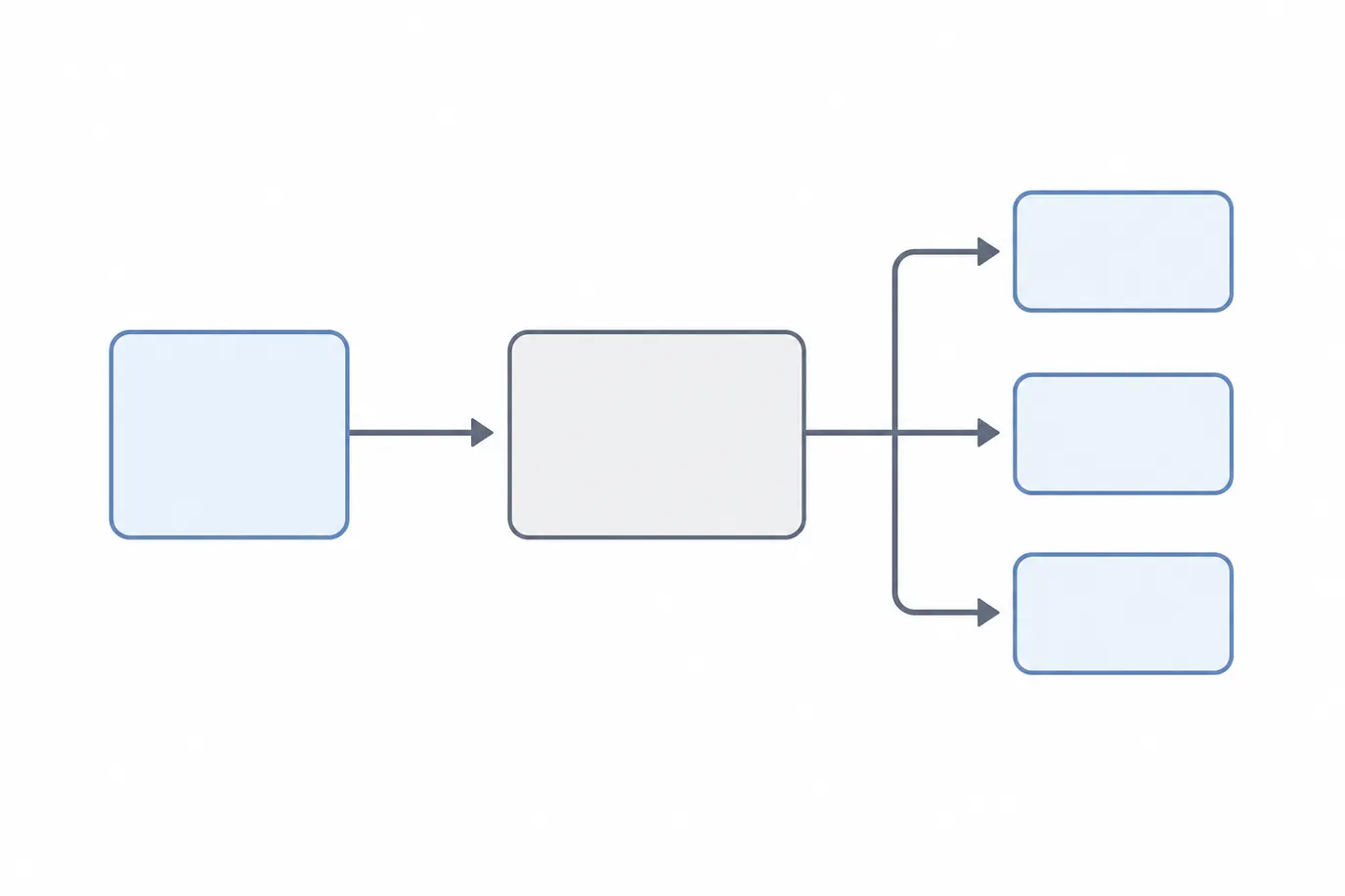
This isn't a lot of extra work up front, usually a thin wrapper around whichever API client you're using, with the model name and provider read from a config value rather than hardcoded into the feature itself. What it buys you is the ability to actually act on pricing news like this week's, instead of reading about it and feeling stuck with whatever you picked at launch.
A Note on Earlier Cost Estimates
If you read the cost ranges in an earlier piece on where AI actually helps small businesses, treat those as a snapshot from that month, not a fixed quote. The ranges for subscription tools and custom builds both move as the underlying model prices do, and that's true of any AI cost estimate you read anywhere, including this one.
FAQ
Does this affect the ChatGPT or Claude subscription I pay for personally, or only developer API pricing?
Only API pricing, what a developer pays per request when building a feature on top of these models. Consumer subscriptions (a monthly plan for the chat app itself) are priced separately, and none of the changes above are subscription changes.
Should I switch models right now because of this?
Not reflexively. Switch when the cheaper option is actually capable enough for your specific task, verified by testing, not just by price. A cheaper model that gives worse answers isn't a win.
Is cheaper always the better choice?
No. The Fable 5.2 versus Carbon comparison above is close on one benchmark. Your specific task, support answers from your documents, screening logic, whatever it is, might favor one model clearly once you test it against your own cases.
How often should I actually re-check pricing?
Monthly for anything where AI cost is a meaningful line item in your budget. Quarterly at minimum for everything else. Set a reminder, it takes ten minutes, and the numbers above show how fast they can move.
Takeaway
Prices for the models behind your AI features are moving faster than most budgets account for, in both directions. Build your cost estimate with room to be wrong, and build your code so switching providers is a small change, not a rewrite. That second part is the one actually worth doing regardless of where prices go next.
If you want that swappable AI layer built into your product from the start, AI integration covers how I approach it, or you can get in touch directly.